

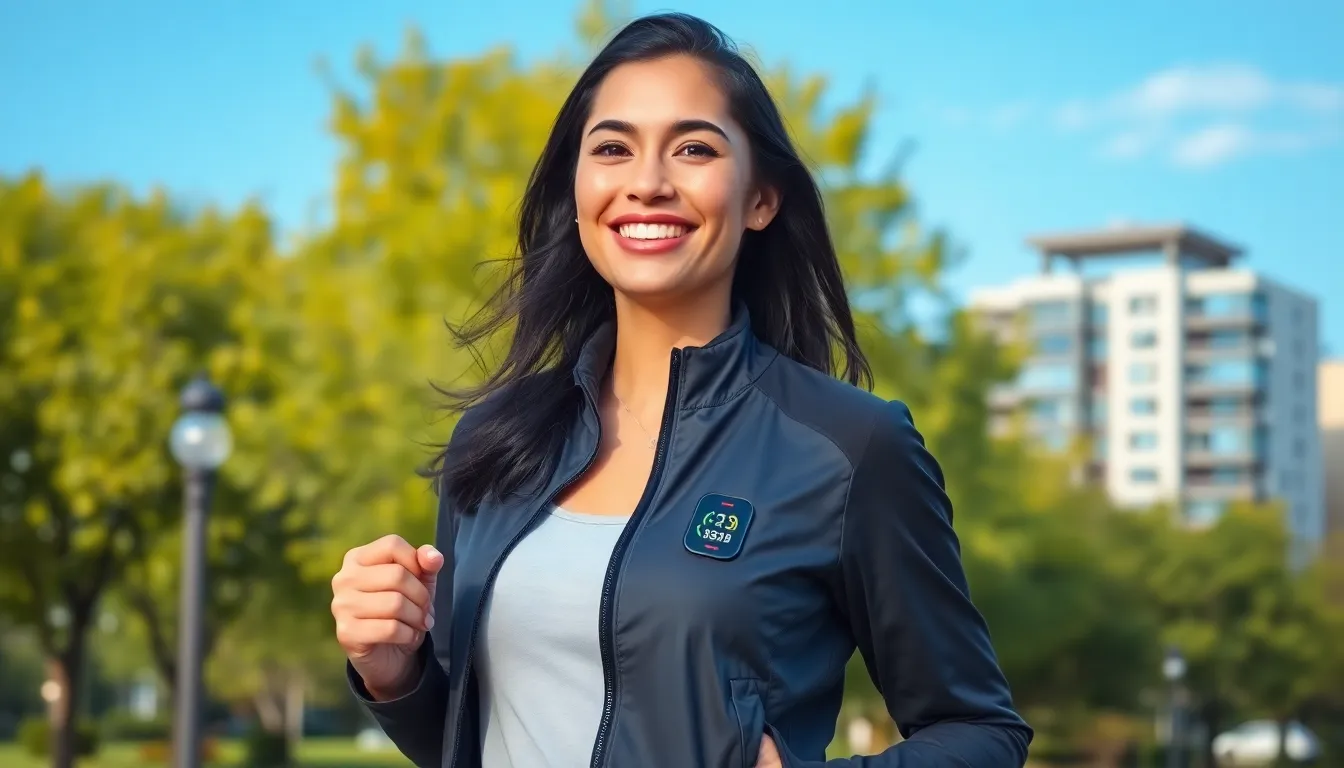
Imagine a world where your clothes do more than just cover you up. Welcome to the exciting realm of wearable clothing, where fashion meets technology in the most stylish way possible. Gone are the days of dull outfits; now, your wardrobe can track your fitness, adjust to your body temperature, or even help you find your lost keys. Who knew your shirt could be smarter than your ex?
As wearables gain traction, they’re transforming how people interact with their garments. These innovative pieces not only enhance comfort but also elevate functionality to a whole new level. Whether you’re a fitness fanatic or just someone who loves a good gadget, wearables are about to change your daily routine. Get ready to embrace the future of fashion—because who wouldn’t want to wear a little bit of tech?
Overview of Wearables Clothing
Wearables clothing integrates advanced technology into everyday apparel, enhancing functionality and user experience. These innovative garments provide capabilities that go beyond traditional use, making them popular among diverse consumers.
Definition and Concept
Wearables clothing refers to textiles embedded with sensors or technologies for data collection and interaction. This concept merges fashion with functionality, allowing garments to monitor health metrics and provide real-time feedback. Users benefit from features such as heart rate tracking and temperature regulation. As technology evolves, wearables clothing adapts, continuously improving user engagement and lifestyle enhancement.
Types of Wearables Clothing
Wearables clothing includes various styles and functionalities catering to different needs. Smart fitness apparel tracks physical activity, providing metrics about performance. Heated jackets adjust temperature settings based on user preferences. UV-sensing shirts detect sun exposure levels, alerting users when to seek shade. Each type of wearable targets specific consumer interests, ensuring a wide range of options available in the market.
Benefits of Wearables Clothing

Wearable clothing offers numerous advantages that enhance both health and lifestyle. These garments combine fashion with technology to improve daily living.
Health Monitoring
Wearables provide continuous health monitoring, giving users insights into their fitness. Sensors within garments track vital statistics, like heart rate, calories burned, and sleep patterns. This data helps individuals make informed decisions regarding their health and wellness. Real-time feedback fosters goal-oriented behaviors, encouraging users to stay active. Specific features, such as alert systems for irregular heartbeats, add another layer of security for users. Many find peace of mind in knowing they can monitor health metrics anytime.
Enhanced Comfort and Convenience
Wearable clothing enhances comfort through temperature regulation and moisture management. Smart fabrics adjust to body temperature, keeping users comfortable in various conditions. Some garments even offer heating elements for warmth during cold weather. Convenience also plays a pivotal role, with built-in pockets for smartphones or fitness trackers, allowing easy access without the fuss. Integration of wireless technology enables seamless connectivity, so users receive notifications and alerts directly on their clothing. Enhanced utility transforms how individuals experience their garments, merging functionality and style effortlessly.
Key Technologies Behind Wearables Clothing
Wearable clothing integrates advanced technologies that enhance user experience and functionality. Key innovations include integrated sensors and smart fabrics.
Integrated Sensors
Integrated sensors play a crucial role in wearable clothing. These devices collect vital health data such as heart rates, body temperature, and activity levels. Utilizing technologies like accelerometers and gyroscopes, wearables can monitor movement patterns. Sensors transmit data to connected devices for real-time analysis and feedback, making health monitoring more accessible. Wearables with these features allow users to track fitness progress and gain insights into their overall well-being. They can notify users about irregularities, facilitating prompt attention to potential health issues.
Smart Fabrics
Smart fabrics represent another significant advancement in wearable clothing. These textiles incorporate technologies that respond to environmental changes and user interactions. For example, temperature-regulating fabrics adjust to body heat while maintaining comfort. UV-sensing materials inform users of sun exposure, enhancing safety during outdoor activities. Some fabrics can even conduct electricity, allowing them to power embedded devices. This innovation expands apparel functionalities beyond traditional uses, creating versatile clothing suitable for various lifestyles. Smart fabrics contribute to a seamless blend of style and technology in modern garments.
Challenges and Limitations
Wearable clothing faces several challenges that impact its widespread adoption. Privacy concerns and durability issues represent significant barriers in the market.
Privacy Concerns
Wearable clothing collects sensitive data, raising privacy issues. Users must navigate potential risks associated with sharing their health metrics. Data breaches can occur, leading to unauthorized access to personal information. Consumers often express fears about how companies use their data. Regulations surrounding data privacy vary, which adds complexity. For instance, some regions enforce strict guidelines, while others have more lenient policies. Understanding these regulations is crucial for users to safeguard their information. Ensuring transparency from manufacturers builds trust, which is essential for consumer acceptance.
Durability Issues
Durability remains a critical challenge for wearable clothing. Many garments face wear and tear from regular use, impacting functionality. Fabrics embedded with technology can degrade faster than traditional materials. Exposure to sweat, moisture, and washing can damage embedded sensors. Users seek products that withstand daily activities without sacrificing performance. Manufacturers are investing in advancements to enhance durability through innovative designs. Testing for longevity is essential for ensuring consumer satisfaction. Addressing these concerns could significantly improve product reliability and broaden market acceptance.
Future Trends in Wearables Clothing
Wearable clothing continues to evolve, driven by technological advancements and consumer demand for multifunctional garments.
Emerging Innovations
Smart textiles are at the forefront of technological breakthroughs, incorporating advanced materials that adapt to environmental conditions. Integrating IoT connectivity enhances communication between garments and digital devices, providing users with real-time data. Moreover, biometric tracking features are becoming increasingly sophisticated, enabling continuous health monitoring. Enhanced designs now include self-cleaning fabrics and energy-harvesting technologies, paving the way for sustainable wearables. These innovations not only improve user experience but also cater to a growing interest in environmental responsibility.
Market Projections
The wearable clothing market is projected to experience substantial growth, with a compound annual growth rate (CAGR) of 23% from 2023 to 2030. Analysts estimate that market value could reach USD 98 billion by 2030, reflecting increasing consumer interest in health and fitness. Major brands are investing heavily in research and development to remain competitive, particularly in smart apparel categories. Additionally, the adoption of wearables is expanding across various demographics, driven by greater awareness of health and wellness. This surge is likely to accelerate product diversification, leading to more specialized clothing options.
Wearable clothing is revolutionizing the fashion industry by merging technology with everyday garments. As these innovations gain traction, they’re not just enhancing personal style but also improving health and wellness. The potential for smart textiles to adapt to users’ needs is vast and exciting.
While challenges like privacy concerns and durability remain, ongoing advancements promise to address these issues. The future of wearable clothing looks bright as more consumers seek multifunctional apparel that supports their active lifestyles. With a projected market growth, it’s clear that wearable tech is here to stay and will continue to shape the way people experience clothing. Embracing this trend could lead to a healthier and more connected life.


