


In a world where every notification feels like a tiny explosion of excitement, the last thing anyone wants is their iPhone deciding it’s nap time. Sleep mode can be a real buzzkill, dimming your screen and silencing alerts just when you need them most. It’s like your phone’s way of saying, “Hey, I’m tired—let’s take a break!” But what if you’re not ready for a break?
Understanding Sleep Mode on iPhone
Sleep mode on an iPhone conserves battery life by dimming the screen and reducing activity. Users often find this feature helpful, but it can disrupt notification access during important moments.
What Is Sleep Mode?
Sleep mode activates automatically when the device is idle for a specified duration. This setting lowers the display brightness and suspends notifications, ensuring battery preservation. Users can adjust the sleep settings in the display and brightness options. The iPhone typically initiates this mode to save energy and enhance device lifespan.
Benefits of Sleep Mode
Sleep mode offers multiple advantages for device users. It extends battery longevity, allowing for longer usage without charging. Notifications silence during sleep mode, reducing distractions. This feature also enhances focus during work or study sessions. Users can customize duration settings based on individual usage patterns, making it versatile for different lifestyles.
How to Turn Off Sleep Mode on iPhone
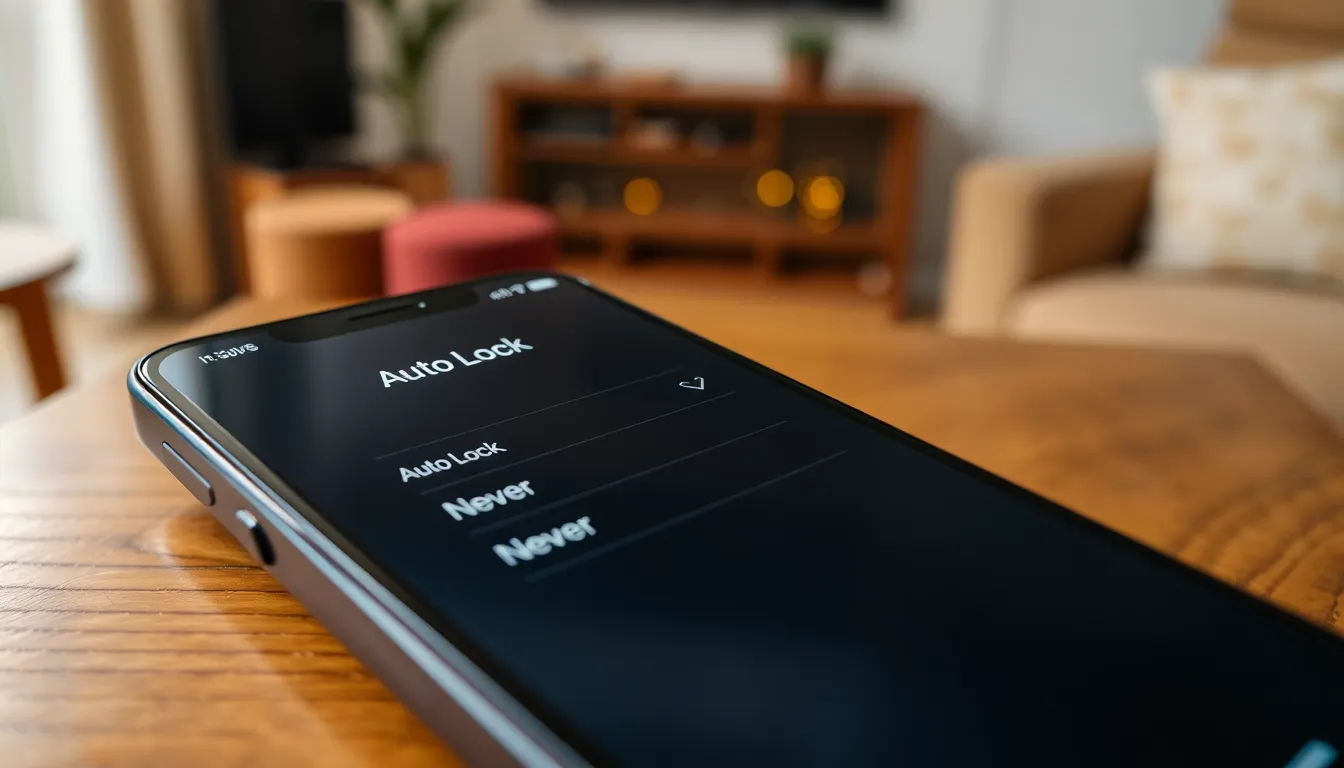
Turning off sleep mode on an iPhone can help users maintain constant connectivity and prevent missed notifications. Here are two effective methods to adjust this setting.
Using Settings App
- Open the Settings app on the iPhone.
- Scroll down and tap on Display & Brightness.
- Look for the Auto-Lock option.
- Select Auto-Lock to view the timer settings.
- Choose Never to disable sleep mode entirely.
This method ensures that the device remains active indefinitely, keeping notifications visible and preventing screen dimming during use.
Using Control Center
- Access the Control Center by swiping down from the top right corner.
- Identify the Moon icon, which represents Do Not Disturb mode.
- Tap the Moon icon to turn off any sleeping notifications.
Using Control Center allows quick access to prevent interruptions without navigating through menus, making it simple to manage focus and alerts on the go.
Troubleshooting Common Issues
Users may encounter various issues when trying to turn off sleep mode on their iPhones. Identifying and resolving these problems ensures a smoother experience.
Sleep Mode Not Turning Off
When sleep mode remains active despite user attempts to disable it, several factors may be at play. First, check if the Auto-Lock setting in the Settings app is set to a specific time instead of “Never.” Adjusting this setting directly affects how the device responds to inactivity. If Auto-Lock continues to activate, restarting the iPhone can resolve temporary glitches. Users also need to confirm that the Do Not Disturb mode is not enabled, as this could prevent notifications and inadvertently keep the device in sleep mode. Lastly, ensure that the latest iOS version is installed, as updates often fix known bugs.
Other Related Settings to Check
Several additional settings might impact sleep mode functionality. For instance, the Display & Brightness settings affect screen dimming properties. Lower brightness levels can create an illusion of sleep mode activating too soon. Checking for Screen Time restrictions can also help, as these features may limit device access to certain functions. Furthermore, adjusting the accessibility features, like Guided Access, may interfere with standard behavior during idle periods. Each of these settings plays a role, so reviewing them thoroughly ensures optimal performance and user connectivity.
Tips for Managing Sleep Mode
Managing sleep mode enhances the user experience while using an iPhone. Customizing settings allows for a more tailored approach to notifications and screen usage.
Customizing Sleep Mode Features
Adjusting sleep mode features can significantly improve convenience. Users access the Settings app to modify Auto-Lock options, allowing for settings such as “Never,” keeping the device awake longer. Dimming the display less can help maintain visibility without constant interaction. Changing the notification settings also customizes alerts, ensuring important messages come through despite sleep mode. Utilizing the Focus feature enables users to set boundaries during work or personal time, preventing distractions while remaining reachable.
Setting Up Sleep Schedules
Creating a sleep schedule helps maintain a consistent routine. Users navigate to the Clock app, selecting the Sleep tab to establish preferred sleep hours. This feature encourages healthier device habits by limiting usage during designated times. Designing a schedule that aligns with daily activities enhances productivity. Ensuring the option to manage sleep goals automatically adjusts notifications and display settings as users move in and out of sleep mode. Keeping this routine helps balance device usage and real-life interactions.
Turning off sleep mode on an iPhone can significantly enhance user experience by ensuring constant connectivity and access to important notifications. By utilizing the Settings app or the Control Center, users can easily customize their device’s behavior to fit their lifestyle.
It’s crucial to regularly check related settings like Auto-Lock and Do Not Disturb to avoid unexpected interruptions. With a little adjustment, users can enjoy the benefits of their iPhone without the frustration of missed alerts. Embracing these changes not only improves productivity but also fosters a healthier relationship with technology.


