

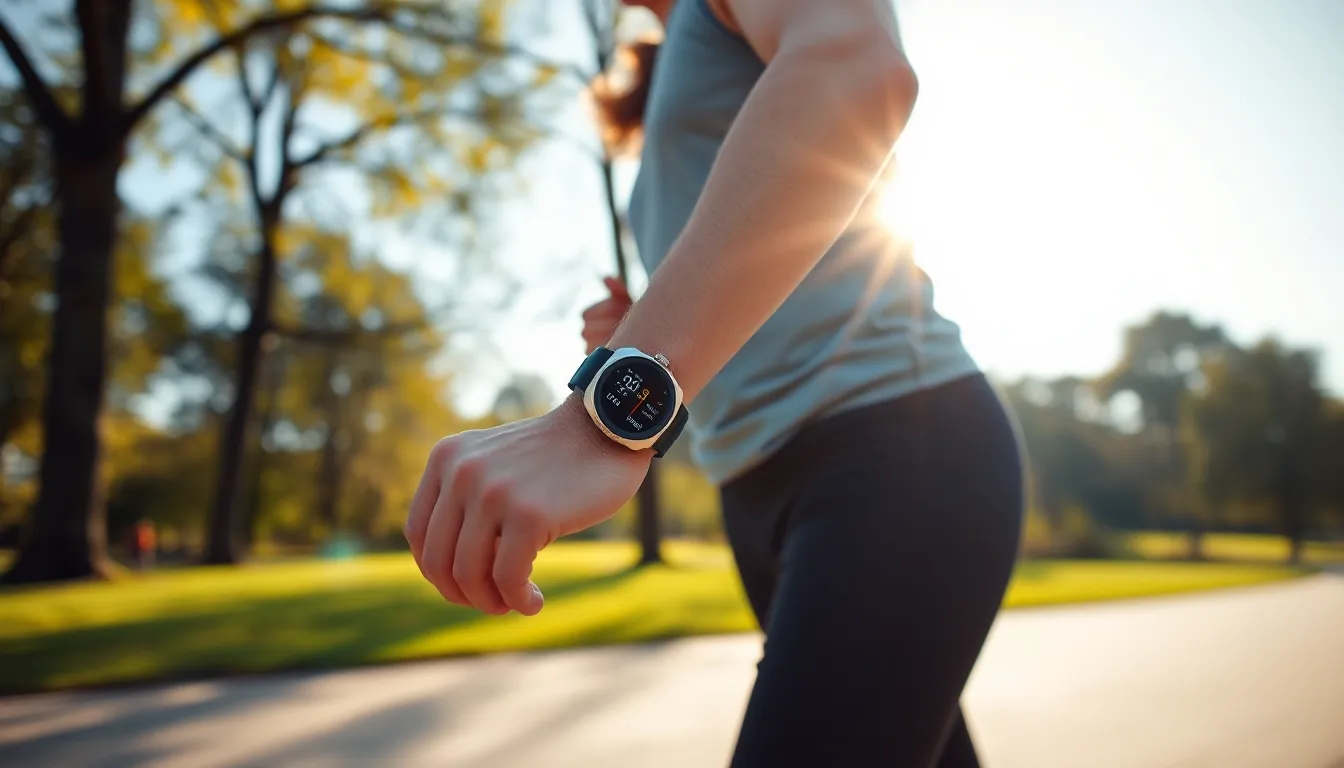
In a world where counting steps has become a competitive sport, fitness wearables have swooped in like superheroes for the health-conscious. These nifty gadgets don’t just track your steps; they monitor heart rates, sleep patterns, and even remind you to stand up—because who knew sitting was the new smoking? With a fitness wearable strapped to your wrist, you can transform into your own personal trainer, minus the motivational speeches and the questionable spandex.
Overview of Fitness Wearables
Fitness wearables encompass a variety of devices designed to monitor and enhance physical activity. These gadgets include smartwatches, fitness trackers, and heart rate monitors, each equipped with unique features. Many devices precisely track metrics such as steps, calories burned, and active minutes.
Heart rate monitoring plays a crucial role in understanding cardiovascular health. Advanced wearables also analyze sleep quality, providing insights into nightly rest patterns. Data collected from these devices empower users to set personalized fitness goals based on their performance.
Notifications and reminders increase user engagement by encouraging regular activity throughout the day. Many wearables integrate seamlessly with mobile apps, enabling users to review statistics and trends over time. This integration promotes accountability and helps identify areas for improvement.
Durability and battery life are essential features for users engaged in various activities. High-performance wearables often withstand water exposure and are designed for comfort during workouts. Many models boast an impressive battery life, allowing for extended use without frequent charging.
In addition to fitness tracking, some wearables offer social features, connecting users with friends or communities. This social aspect cultivates motivation and friendly competition, further enhancing the overall fitness experience. As fitness wearables evolve, technological advancements continue to enhance their functionality.
Key Features of Fitness Wearables

Fitness wearables offer a range of features that enhance the user experience by promoting health and wellness. These devices provide detailed tracking capabilities and robust connectivity options.
Tracking Capabilities
Tracking capabilities are essential to the effectiveness of fitness wearables. Most models track steps, calories burned, and active minutes. Heart rate monitoring aids in assessing cardiovascular health. Advanced wearables analyze sleep quality, offering insights into users’ sleep patterns. Some devices provide GPS functionality for outdoor activities, allowing accurate distance measurement. Users benefit from performance data that helps tailor individual fitness goals. Collecting this data empowers users to stay informed and make constructive choices regarding their fitness journeys.
Connectivity Options
Connectivity options play a crucial role in the usability of fitness wearables. Many devices sync seamlessly with smartphones via Bluetooth, providing notifications for calls and messages. Integration with mobile apps allows users to track and analyze their data over time, enhancing accountability. Some wearables support Wi-Fi connectivity, permitting real-time updates and cloud syncing. Compatibility with third-party fitness apps expands functionality and enriches user experience. Social features enable sharing achievements with friends, promoting motivation and friendly competition. Enhanced connectivity fosters a dynamic approach to personal fitness management.
Popular Brands and Models
Fitness wearables offer a range of brands and models, each designed to cater to various user needs. Popular options stand out due to their features and performance.
Apple Watch
Apple Watch leads the smartwatch market with its sleek design and comprehensive health tracking features. It monitors heart rates, tracks workouts, and offers detailed insights on sleep quality. Users appreciate its seamless integration with iPhones, allowing notifications for calls, messages, and app alerts. Advanced models boast GPS capabilities for outdoor activities and an ECG app for heart health monitoring. Apple’s commitment to software updates ensures long-term functionality, making it a top choice for fitness enthusiasts.
Fitbit
Fitbit specializes in fitness trackers that emphasize health and wellness. Known for its user-friendly interface, Fitbit devices offer features like step counting, calorie tracking, and sleep analysis. Several models come equipped with heart rate monitoring and guided breathing exercises for stress management. The Fitbit community encourages users to engage in challenges, fostering motivation. Regular software enhancements and a wide variety of models cater to diverse preferences and budgets, ensuring everyone finds the right fit.
Garmin
Garmin excels in producing wearables designed for athletes and outdoor adventurers. Their devices provide accurate GPS tracking and advanced metrics tailored for running, cycling, and swimming. With features like VO2 max estimates and training load insights, users can optimize performance and recovery. Garmin’s rugged designs withstand various environments, making them ideal for outdoor enthusiasts. The Connect app enhances user experience by allowing data analysis and social sharing, promoting a community-focused approach to fitness.
Benefits of Using Fitness Wearables
Fitness wearables offer numerous advantages that contribute to personal health and fitness journeys.
Health Monitoring
These devices provide real-time insights into vital health metrics. Heart rate monitoring offers valuable information on cardiovascular health and helps users adjust their workouts accordingly. Sleep tracking features analyze sleep patterns, ensuring individuals receive adequate rest. Continuous monitoring allows users to spot trends over time and identify areas requiring improvement. Detailed reports generated by fitness wearables empower users to maintain optimal health metrics, fostering informed decision-making regarding exercise and nutrition. Advanced models provide additional capabilities such as blood oxygen levels and stress monitoring, broadening the scope of health management.
Motivation and Goal Setting
Fitness wearables serve as powerful tools for motivation and goal-oriented training. Personalized goal setting enables users to strive for attainable milestones. Daily reminders prompt individuals to remain active throughout the day. Social features allow friends to share accomplishments, creating a supportive environment for progress. Competition or encouragement from peers fosters engagement, helping users maintain focus. Achievements tracked by these devices reinforce positive habits, contributing to long-term success in fitness endeavors. The integration of gamification elements keeps workouts exciting and rewarding, increasing adherence to fitness routines.
Challenges and Limitations
Fitness wearables face several challenges and limitations that can affect user experience and effectiveness. Addressing these issues is crucial for improving overall functionality.
Accuracy Concerns
Accuracy remains a significant challenge for many fitness wearable devices. Users often experience discrepancies between tracked metrics and actual performance levels. Some devices may not accurately measure heart rates or calorie expenditure, leading to incorrect data insights. Inconsistent GPS tracking can hinder outdoor activity monitoring, especially during varied terrain conditions. Reliability issues arise from environmental factors as well; users in different climates may obtain varying results. These limitations can lead to user frustration and misunderstanding of personal fitness progress.
User Adaptability
User adaptability plays a crucial role in maximizing the benefits of fitness wearables. Some individuals struggle to integrate devices into their daily routines, leading to lower engagement levels. Various features may overwhelm new users, deterring them from fully utilizing functionality. Customizing settings to match personal preferences can remain a challenge, with some users finding it difficult to navigate complex interfaces. While tech-savvy individuals may quickly adapt, others may require additional support to fully benefit from their devices. Ensuring user-friendly experiences enhances overall satisfaction and long-term commitment to fitness tracking.
Future Trends in Fitness Wearables
Technological innovation shapes the future of fitness wearables. Enhanced biometric sensors provide more accurate health metrics, enabling deeper insights into user performance. Artificial intelligence algorithms analyze data trends, personalizing fitness recommendations based on individual habits.
Voice-activated features enhance user interaction. Users can now receive real-time feedback during workouts, making it easier to adjust intensity or adopt new exercises. Wearables are increasingly integrating with smart home devices, allowing users to control environments while exercising.
Augmented reality components deliver immersive workout experiences. Virtual coaching may guide users through challenging routines, enhancing motivation in an engaging way. Gamification strategies are expanding, encouraging users to participate in fitness challenges with rewards and leaderboards.
Fashion-conscious designs highlight aesthetic appeal alongside functionality. Brands are prioritizing style, creating wearables that suit various fashion senses while maintaining advanced features. Personalized coaching through wearables becomes more mainstream, providing reminders and encouragement tailored to users’ fitness journeys.
Health monitoring capabilities also advance with continuous glucose tracking and blood pressure readings becoming more accessible. Increased user demand for comprehensive health management fuels this trend, supporting users in maintaining overall wellness. Collaboration among tech firms and health organizations includes sharing data, enhancing wearables’ reliability for various demographics.
Privacy concerns are critical as fitness wearables evolve. Users now demand robust data protection measures, influencing manufacturers to adopt stringent security protocols. Expectations for battery longevity are rising too, with users preferring devices that last longer without frequent charging.
Responsive updates keep wearables relevant and user-friendly. Improvements in software ensure customers benefit from feature upgrades as new technologies become available. Continuous dedication to enhancing user experience drives the future of fitness wearables.
Fitness wearables have transformed the way individuals approach their health and wellness. By offering real-time insights and personalized feedback, these devices empower users to take control of their fitness journeys. As technology continues to advance, the capabilities of fitness wearables are expected to expand, making them even more integral to personal health management.
With a variety of options available, users can find devices that cater to their specific needs and preferences. The combination of tracking features, connectivity, and community support fosters motivation and accountability. As the market evolves, staying informed about new trends and innovations will help users maximize their fitness potential and achieve their health goals.


